EMERGENCY LIGHTING SYSTEM
With  the illumination is always safe: devices and emegrency lights are made with state-of-the-art technology and absolute reliability. The larger is the structure, the more efficient should be its security system. In case of blackout or any danger requiring evacuation, these devices indicate the emergency escape routes and illuminate paths with clear and reassuring signs. They activate momentarily and can be integrated into centralized supervision systems using KNX standard.
There are numerous solutions with signalling and emergency lights allowing to manage evacuation at the time of panic and abscence of light.
The tertiary sector is working under strict safety regulations, each facility
must be equipped with specific devices for emergency. In case of danger everybody
must be able to recognize the emergency escape signs immediately
and follow them easily even in the case of total blackout.
Installation examples
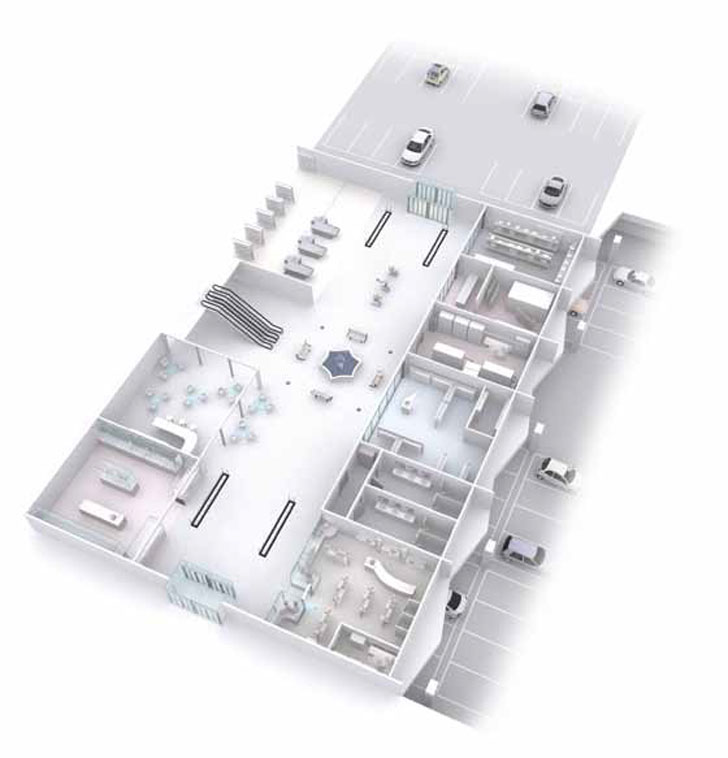
Shop. The figure shows a typical example of application where used emergency lights and signalling lamps are directly connected to the main power supply and sleep mode controller.
In case of black out all the lights turn on and remain lit until power is restored and the duration of the battery backup autonomy.
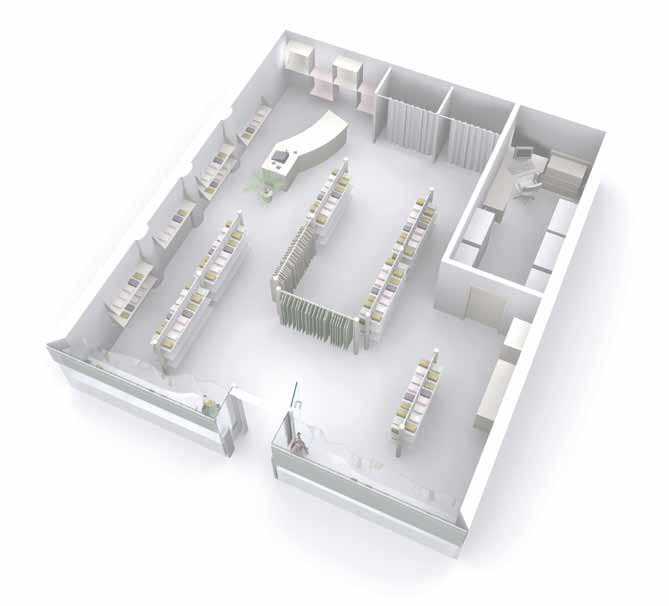
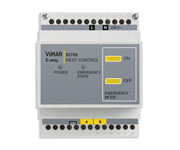
The lamps carry out regular and totally automatic battery test to check the status of the charge, as well as a test to verify proper functionality and autonomy. The remote control allows to activate the test manually so you can run it whenever you like.
Wellness Center.
The figure below illustrates a wellness centre where
emergency lamps and signalling (total number less than
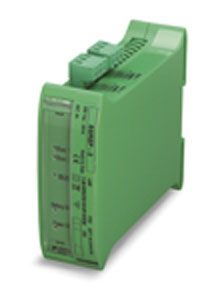
170) are handled through the appropriate central device
connected to a PC allowing supervision, configuration
and diagnostics of the whole emergency lighting system.
In the application there are three types of lamps:
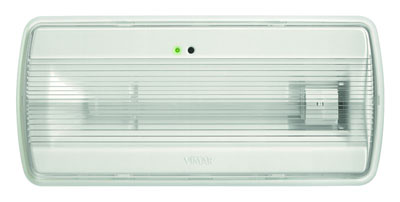
• emergency lamps installed in various places of the wellness center;
• emergency lamps installed in the garage;
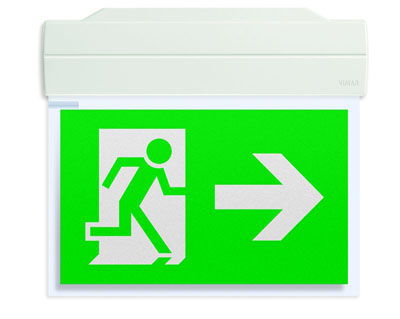
• signalling lamps installed in various local and emergency exits of the garage.

In the garage there are switches that are connected to the network powering the lights and enable manual shutdown of a single or a group of lamps.
Office Building.
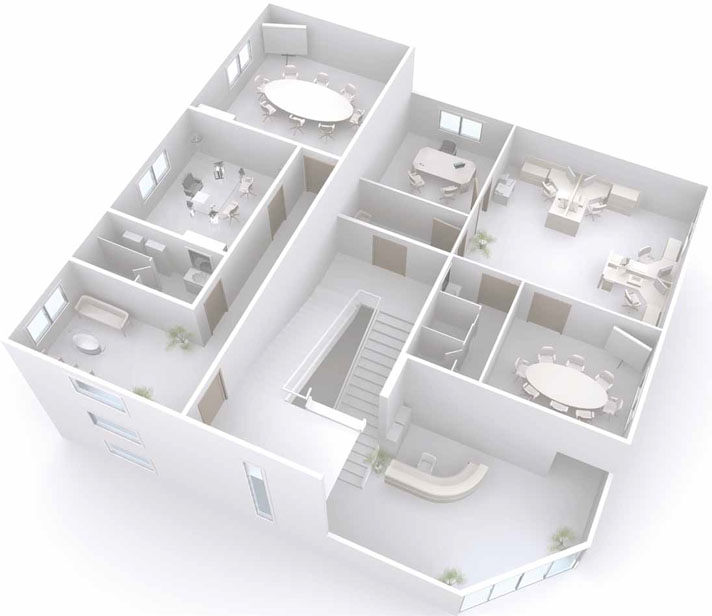
The following figure shows a building in which
all premises are used for offices and emergency and signalling lamps (total number greater than 170 and less than 256)
are handled through the Supervision Central that
provides oversight, configuration and Diagnostics
for the entire system.
There are two types of lamps used in the application:
• 8 and 24 W emergency lamps installed in offices,
corridors, rooms and garages.
• signalling lamps installed on the main exits
and on fire emergency escape doors.
In the case of black out all lamps and emergency
signalling lights lit and remain until the
main power is restored. In this case
lamps that provide 3 hours emergency light are used. The battery recharge
takes place when main power is restored.
Shopping Center.
In the example below is a shopping center
where there are shops, bars, restaurants, supermarkets,
administrative offices, garages, utility rooms and stores.
The emergency lights and signalling (more than 256 lamps)
are handled through the Supervision Center that enables central
supervision, configuration and diagnostics of the entire
system on the monitor. It can be connected either to local LAN or remotely
with built-in modem.
The types and locations of lamps can be identified by OxyTech software to
ensure proper lighting in terms of regulatory requirements.
In the application there are two types of lamps:
• Emergency lights installed in common areas, shops, supermarket, etc.
• Signalling lamps installed on the main exits
and fire emergency escape doors.
In case of black out all the emergency lights and
signalling lamps switch on automatically and remain lit until main power is restored.
In this case lamps that provide 1 hour emergency light are used. The batteries start recharging as soon as main power is restored.
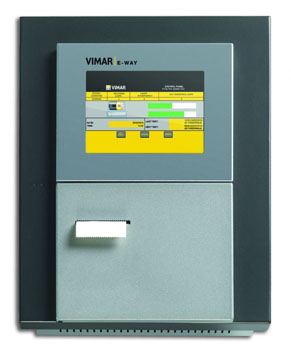
The Supervision Center can be used to test an individual or a group of lamps (e.g. "Supermarket lamps"," Pizzeria and corridor lamps", "Lamps of
Stores, etc). The built-in printer can print event history, performed test results and other system information.
The Supervision Center is equipped with a touch screen display and
can be used as a normal PC as well if a mouse and keyboard are plugged in to the USB ports.
Finally there is a built-in modem that allows supervision and management of the entire system
from a remote PC.